
Medical Device CAD Design Services
Medical Device CAD Design Services for Innovative Healthcare Solutions
At Engineer7, our Medical Device CAD Design Services help transform product concepts into detailed digital models and engineering documentation that support medical device development. Medical devices often require careful attention to geometry, component relationships, ergonomics, materials, assembly requirements, and manufacturing constraints. Accurate computer-aided design (CAD) helps product teams visualize device concepts, evaluate design alternatives, communicate technical details, and prepare for subsequent development stages. Whether a project involves a handheld medical instrument, diagnostic equipment housing, device enclosure, mechanical assembly, or a specialized healthcare product, a structured CAD workflow can help establish a clear foundation for design refinement. Our approach focuses on developing organized and detailed design information that reflects project specifications and intended functionality. By coordinating geometry, dimensions, interfaces, and component arrangements, we help stakeholders review the proposed design and communicate their requirements more effectively throughout the product development process.
Medical Device Design Services for Complex Product Requirements
Our Medical Device Design Services support the development of medical products that require a considered balance between functionality, usability, manufacturability, and technical performance. Medical device design involves more than creating an attractive external shape. Designers and engineers must consider how a product will be handled, assembled, cleaned, maintained, transported, and used within its intended environment. Depending on the application, important design factors may include component accessibility, enclosure dimensions, fastening methods, material compatibility, cable routing, moving parts, and interfaces with other equipment. These requirements can influence both the internal construction and external geometry of a device. A structured design process helps organize these considerations into a coherent model that can be reviewed and refined as requirements evolve. Our design support can help project teams communicate their concepts, evaluate component relationships, and prepare technical information for further engineering review, prototyping, and manufacturing planning.
CAD Design Services for Medical Devices
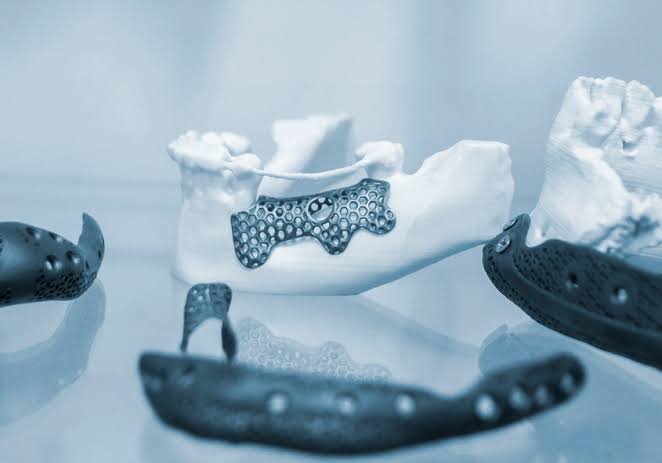
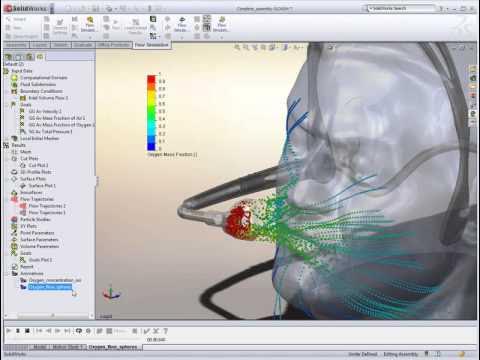
Our CAD Design Services for Medical Devices focus on creating accurate three-dimensional models and technical drawings that communicate a product’s intended form and mechanical arrangement. Three-dimensional CAD models allow project stakeholders to examine individual components, review assemblies, understand spatial relationships, and identify potential design concerns before physical production begins. Depending on the project scope, deliverables may include part models, assembly models, dimensioned engineering drawings, exploded views, and supporting design documentation. These deliverables can help manufacturers and development teams understand component geometry, assembly relationships, and critical interface dimensions. Detailed models can also support design reviews and provide a basis for discussions about manufacturing methods, tooling requirements, and prototype development. When changes are required, a well-organized CAD model can make it easier to review revisions and maintain consistency between related components and drawings. The appropriate level of detail and documentation depends on the device, the project stage, and the intended use of the deliverables.
Medical Device Engineering Services for Product Development
Our Medical Device Engineering Services complement CAD modeling by considering the engineering factors that influence product structure, component integration, and practical development. A medical device may contain multiple mechanical components, an external enclosure, internal supports, fastening features, moving mechanisms, and interfaces with electronic or fluid-handling elements. These parts must be arranged in a way that supports the intended function while accounting for manufacturing and assembly constraints. Engineering review may consider component clearances, dimensional relationships, access for maintenance, material selection requirements, and potential interference between parts. Depending on the project’s scope, coordination with electrical, electronic, industrial design, or other engineering disciplines may also be necessary. An organized engineering workflow helps stakeholders understand how different design decisions affect the wider product. By developing and refining the digital design, project teams can evaluate alternatives, communicate requirements, and prepare the information needed for subsequent testing, verification, and production planning.
Benefits of Our Medical Device CAD Design Services
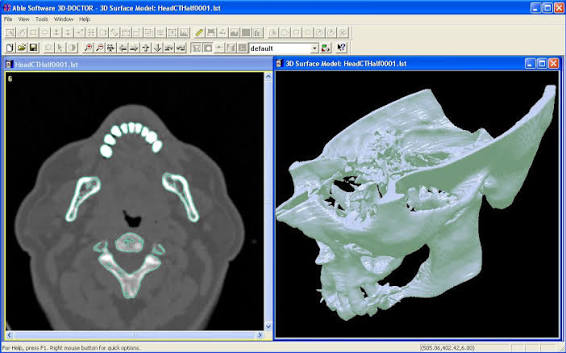
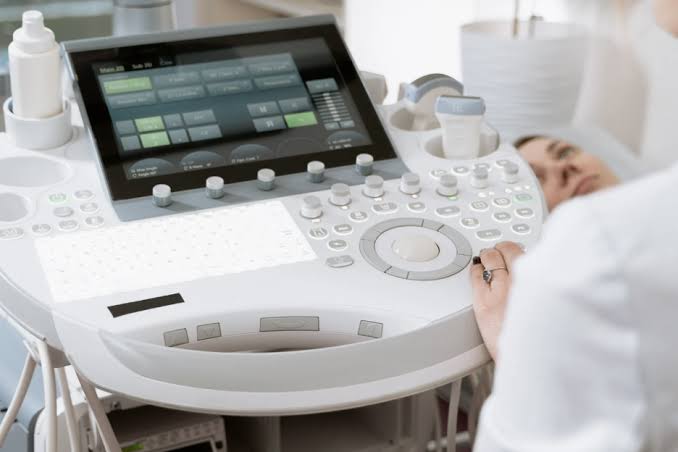
Professional Medical Device CAD Design Services can provide several benefits throughout the medical product development lifecycle. Accurate digital models help teams visualize complex assemblies and review the relationships between components before committing to physical prototypes. Detailed engineering drawings can improve communication between designers, engineers, manufacturers, and other stakeholders by presenting dimensions and construction details in a consistent format. CAD-based design reviews may also help identify geometric conflicts, insufficient clearances, assembly difficulties, and other potential issues earlier in the development process. Finding such issues during digital review can reduce avoidable redesign work, although actual savings depend on the complexity of the product and the quality of the design review. Well-organized models can also support design revisions by providing a structured reference for comparing proposed changes. For medical products, these advantages are especially valuable when teams must coordinate multiple requirements involving usability, physical construction, production methods, and technical documentation.
CAD Design Services for Medical Devices Across Different Device Types
Our CAD Design Services for Medical Devices can support a variety of medical and healthcare product categories, depending on the project’s technical requirements and agreed scope. Examples may include handheld medical instruments, diagnostic equipment enclosures, patient monitoring device housings, laboratory equipment components, medical carts, mounting brackets, device supports, and mechanical assemblies used in healthcare environments. Each category presents different design considerations. A handheld instrument may require careful attention to grip, weight distribution, and access to operating controls, while an equipment enclosure may need to accommodate internal components, ventilation openings, connectors, and service access. A mounting system may require accurate interface dimensions and a clear understanding of the loads and operating conditions specified by the engineering team. Device components intended for cleaning, sterilization, or repeated use may also require specialist review of suitable materials and surface characteristics. The design process should reflect the intended use and applicable requirements rather than relying on a single approach for every product.

Medical Device Engineering Services for Design Validation and Compliance Support
Our Medical Device Engineering Services can help prepare structured design information that supports engineering reviews and broader verification and validation activities. Medical device development may be subject to regulatory requirements, quality management procedures, risk management practices, and documentation expectations that vary by device type, intended use, and target market. CAD models and technical drawings can contribute to this process by documenting design configurations, dimensions, component interfaces, and relevant revisions. However, compliance requires more than a well-developed CAD model. Depending on the product, additional activities may include risk analysis, material evaluation, usability assessment, biocompatibility evaluation, electrical safety testing, software verification, performance testing, and formal design controls. These activities should be managed by appropriately qualified professionals within the applicable quality and regulatory framework. Our design approach emphasizes clear, organized technical information that can support collaboration with relevant specialists. For related digital coordination needs, explore our Building Information Modeling Services and Construction Documentation Services, which demonstrate our broader focus on structured modeling and technical documentation.
Get Started with Our Medical Device CAD Design Services
Bring your medical product concept into a clearer digital form with Engineer7's Medical Device CAD Design Services. Whether you are developing a new device, refining an existing product, reviewing an assembly, or preparing technical drawings for further development, a structured CAD workflow can help establish a shared understanding of the design. The process begins with reviewing the project brief, available sketches, reference models, dimensional requirements, intended functionality, and expected deliverables. These inputs help define the scope of modeling and the level of detail required for the project. Design development can then focus on component geometry, assembly relationships, critical interfaces, and documentation requirements relevant to the intended application. Review and revision stages provide opportunities to clarify design decisions and align the deliverables with project expectations. Contact Engineer7 to discuss your medical product design requirements and determine how our CAD and engineering support can contribute to your development workflow.