
FEA Simulation Services
FEA Simulation Services for Reliable Engineering Analysis
At Engineer7, our FEA Simulation Services help engineers, designers, and product development teams understand how components and structures may behave under specified operating conditions. Finite element analysis uses computational models to evaluate engineering performance and investigate factors such as stress, strain, deformation, displacement, and load distribution. By studying these responses during the design process, teams can gain useful insights into potential performance concerns before proceeding to manufacturing or physical testing. Our approach focuses on supporting engineering decisions through structured analysis, carefully defined simulation parameters, and results that help communicate the behavior of a proposed design. Whether you are evaluating a mechanical component, reviewing a product concept, or investigating a structural design, simulation can provide an additional level of understanding throughout development.
Finite Element Analysis Services for Complex Engineering Problems
Our Finite Element Analysis Services support the investigation of complex engineering problems that may be difficult to evaluate using conventional calculations alone. The finite element method divides a model into smaller interconnected elements, allowing the software to approximate how the modeled system responds to specified loads, constraints, and material properties. This method can help engineers examine the behavior of components with complex geometries and assess different design configurations under defined conditions. Depending on the project requirements, the analysis may focus on stress distribution, displacement, deformation, or other relevant structural responses. A reliable simulation requires appropriate geometry, material data, mesh refinement, boundary conditions, and loading assumptions. By considering these factors carefully, engineering teams can obtain useful information for reviewing concepts, comparing alternatives, and identifying areas that may need additional investigation before a design progresses to the next stage.

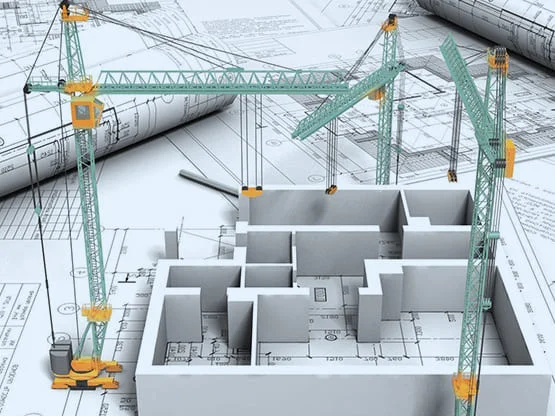
Structural FEA Analysis for Stress and Deformation Evaluation
Our Structural FEA Analysis services help evaluate how components and structures respond to applied forces, supports, and other defined loading conditions. Engineers can use simulation results to examine stress concentrations, deformation patterns, displacement, and load transfer across a modeled component. This information can help reveal areas where the design may require refinement, such as locations around openings, connections, transitions in geometry, or regions exposed to higher loads. Structural analysis can also help teams compare alternative materials or geometries and understand how those changes may influence predicted performance. The results must be assessed against appropriate design criteria, material limits, and relevant engineering requirements. By reviewing the model and its results systematically, teams can make better-informed decisions about design modifications, potential risks, and the need for further validation through physical testing or additional analysis.
Engineering Simulation Services for Design Validation
Our Engineering Simulation Services help project teams assess engineering concepts and investigate expected performance before committing to later development stages. Simulation provides a way to study how a proposed design may respond under a set of specified conditions and compare its behavior with the intended requirements. Engineers can use these insights to review component geometry, examine load paths, identify possible weaknesses, and evaluate design alternatives. Depending on the project’s scope, simulation may form part of an iterative workflow in which the model is updated, analyzed, and refined as new information becomes available. This process can improve understanding of design behavior and support technical discussions between designers, engineers, and other stakeholders. Although simulation is valuable for design evaluation, it does not automatically establish that a product is safe or compliant. Results should be reviewed by qualified professionals and supported by verification, validation, and physical testing where required.

Benefits of Our FEA Simulation Services
Professional FEA Simulation Services can help engineering teams investigate product behavior, compare design alternatives, and identify areas that require further attention. By providing a visual representation of predicted stress and deformation, simulation results can make complex engineering responses easier to interpret during design reviews. Teams can use these insights to assess proposed modifications, examine the effects of different loading conditions, and improve the quality of technical discussions. Simulation may also reduce the need for some early physical prototypes by allowing selected design alternatives to be investigated digitally before fabrication. The extent of this benefit depends on the complexity of the project, the quality of the simulation model, and the level of validation required. When integrated into a well-managed design process, FEA can support more systematic engineering evaluation, help prioritize design improvements, and provide a stronger technical basis for decisions throughout product development.
Engineering Simulation Services for Different Industries
Our Engineering Simulation Services can support projects across industries where understanding structural and mechanical behavior is important. Product designers may use simulation to investigate component performance, while manufacturing teams may examine how proposed geometry and material choices affect a product’s response to specified loads. Engineering consultants can use analysis results to compare design concepts, support technical reviews, and communicate potential performance concerns to stakeholders. The most suitable simulation approach depends on the application, project objectives, available design data, and the level of detail required. A clearly defined scope helps determine which components should be modeled, which loading cases need to be considered, and how results should be evaluated. For projects that also involve building-related design coordination, our Building Information Modeling Services can support the development and coordination of digital building models. Our Construction Documentation Services provide related support for communicating architectural and construction information.

Get Started with Our FEA Simulation Services
Make informed decisions about your engineering designs with Engineer7's FEA Simulation Services. Whether you need to investigate stress distribution, understand component deformation, compare alternative geometries, or evaluate a design under defined loading conditions, an appropriately planned simulation can provide valuable information for your development process. Each project begins with understanding the design objective, available model information, material properties, expected loads, and the questions the analysis needs to answer. Establishing these requirements helps define a suitable simulation scope and provides a clear basis for interpreting the results. Engineer7 can help you explore the appropriate analysis approach for your project and identify the information needed to get started. Contact our team to discuss your engineering requirements and determine how simulation can support your design evaluation and development workflow.