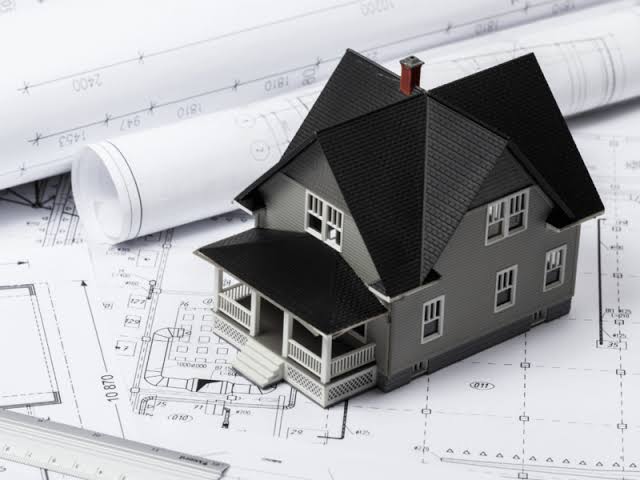
How AI and BIM Are Revolutionizing Construction in 2026
If you work in architecture, engineering, or construction, you already know that the pace of change in 2026 is unlike anything the industry has seen before. Two forces are driving this shift more than any other: Artificial Intelligence and Building Information Modeling. Separately, they are powerful. Together, they are fundamentally changing how buildings are designed, coordinated, and delivered — and the firms that understand this shift are pulling ahead fast. This article breaks down the most important AI and BIM trends shaping the AEC industry right now, what they mean for project delivery, and how your team can stay ahead of the curve.
BIM Is No Longer Optional — It Is the Baseline
A few years ago, BIM adoption was a competitive advantage. In 2026, it is an expectation. Clients, government contracts, and project owners increasingly mandate BIM-compliant deliverables as a condition of engagement. A recent survey found that 68% of AEC professionals have already adopted BIM into their design practices, with the remainder planning to do so within the next five years.
What has changed is the depth of adoption. BIM is no longer just a 3D modelling tool. It has evolved into a full project lifecycle platform — connecting design intent, construction coordination, cost management, and facility operations in a single digital environment. The shift from “we use BIM” to “our entire project workflow runs through BIM” is the defining difference between firms that are leading in 2026 and those that are catching up.
💡 If your team is still producing only 2D CAD drawings without a BIM coordination layer, you are already behind the contract requirements of most major US and international clients.
At Engineer7, our BIM Services cover the full scope of what modern projects demand — Revit modeling, LOD 300/400 coordination, MEP clash detection, scan-to-BIM, and BIM 360 collaboration. Whether you need a single trade model or a full multi-discipline coordination package, our team delivers to international BIM standards.

AI Is Transforming Clash Detection and Model Validation
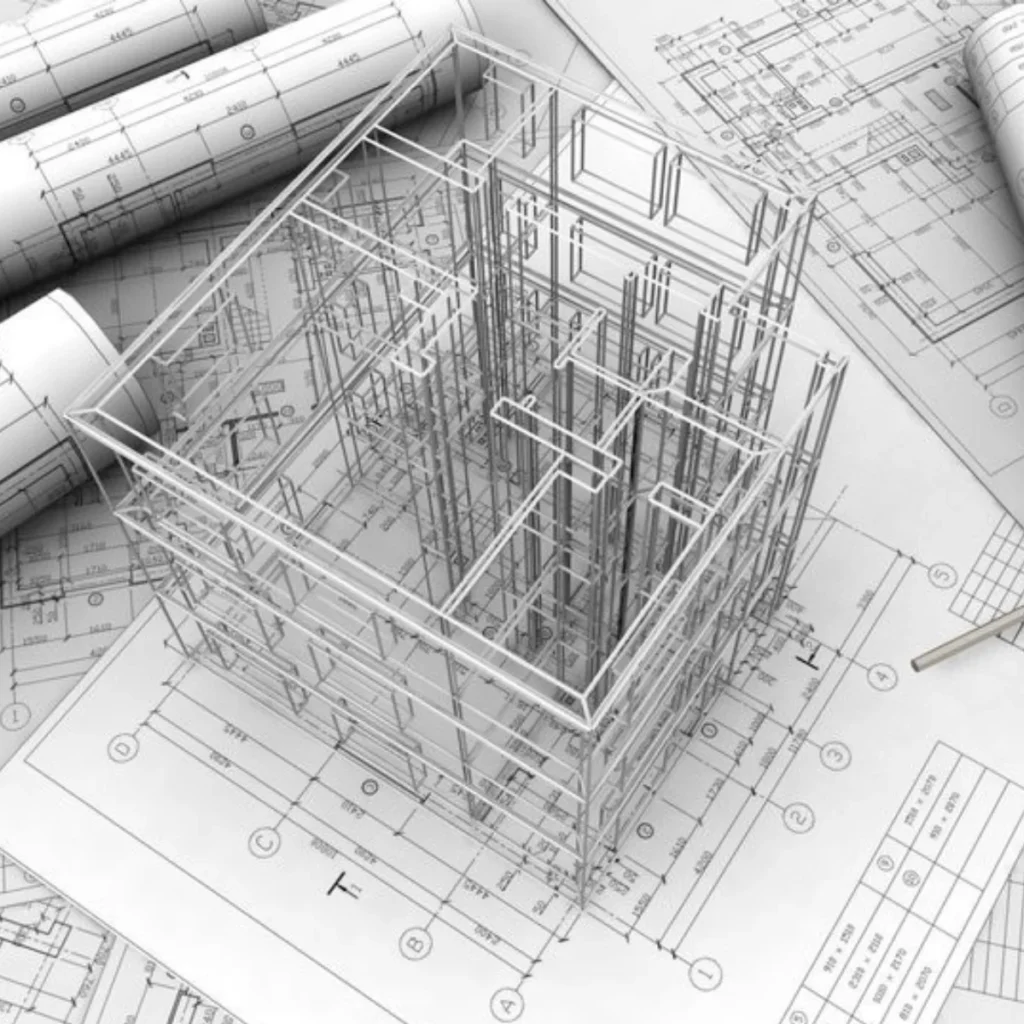
One of the most time-consuming tasks in any BIM-coordinated project is clash detection — identifying conflicts between structural, architectural, and MEP systems before construction begins. Traditionally, this required BIM coordinators to manually review hundreds or thousands of flagged conflicts, many of which were false positives or low-priority issues.
AI is changing this entirely. In 2026, AI-powered clash detection tools can filter irrelevant conflicts automatically, prioritise clashes by construction impact, and suggest resolution options based on project context. Studies show that AI-driven clash models significantly reduce manual review time while improving accuracy — meaning project teams catch the clashes that matter, faster than ever before.
Beyond clash detection, AI is now being used for:
▸ Automated drawing generation — AI tools in SolidWorks, Autodesk Fusion, and Solid Edge can now generate up to 80% of drawing views with minimal input, dramatically reducing drafting time.
▸ Model validation — AI checks BIM models for naming conventions, missing parameters, and LOD compliance automatically, reducing QA time on large projects.
▸ Generative design — AI explores thousands of design permutations based on structural, environmental, and cost constraints, helping engineers find optimal solutions in hours rather than weeks.
CAD Outsourcing Is Growing — And Getting Smarter
While BIM leads the conversation on project coordination, CAD drafting remains the engine room of project documentation. The demand for skilled CAD drafters in the US market continues to outpace supply — which is why the trend toward outsourcing CAD work to experienced offshore and nearshore teams has accelerated sharply in 2026. Industry analysis consistently shows that companies reduce overhead costs by 40–70% when outsourcing CAD services, without compromising on drawing quality or turnaround time.
What has changed is the intelligence of the outsourcing relationship. The best CAD outsourcing partners in 2026 are not just drawing to your specifications — they are integrated into your BIM coordination workflow, working in your cloud environment, following your CAD standards, and delivering drawing sets that are already coordinated with the 3D model. The line between a CAD drafter and a BIM coordinator is blurring, and the firms that understand this are extracting far more value from their outsourcing relationships.
Engineer7’s CAD Drafting & Outsourcing Services are built for exactly this kind of integrated workflow. Our team works in AutoCAD, Civil 3D, SolidWorks, and Revit — delivering drawing sets that meet ASME, ISO, and client-specific standards, with turnaround times that keep your projects on schedule. We onboard new clients within 48 hours and scale to your project volume without the overhead of permanent hiring.

Cloud-Based BIM Has Become the Industry Standard
Cloud-based BIM collaboration has shifted from a convenience to a de facto standard in 2026. Platforms like Autodesk Construction Cloud (ACC) and Bentley ProjectWise now enable real-time model access, shared markups, and centralised issue tracking across distributed project teams — capabilities that were simply impossible in traditional file-based workflows.
The practical impact is significant. Version conflicts — once one of the most common causes of coordination errors on large projects — are dramatically reduced when all disciplines work from a single, live model environment. Project teams in different countries can collaborate on the same model in the same session, with automatic backups and role-based access control maintaining data integrity throughout.
For firms that outsource CAD and BIM work, cloud collaboration tools make the geographic distance between client and vendor essentially irrelevant. A project team in New York and a CAD team delivering drawings remotely can operate as a single coordinated unit, with full model access and real-time communication — which is exactly how the best outsourcing relationships work today.
What This Means for Your Projects in 2026
The convergence of AI and BIM is not a distant trend — it is the current reality of competitive project delivery in 2026. The firms winning the best projects, retaining the best clients, and delivering the most efficient outcomes are the ones who have embraced BIM as their operational backbone, are actively integrating AI tools into their coordination and drafting workflows, are building digital twin capabilities into their BIM deliverables, and are using cloud collaboration and smart outsourcing to maximise team capacity without growing overhead.
The engineering firms that will struggle in the years ahead are those still managing coordination through email attachments and 2D drawing sets — not because the technology is difficult to adopt, but because their competitors are moving faster.