How Digital Twins Are Transforming Facility
Management and Building Operations in 2026
The construction industry is increasingly looking beyond project completion. In 2026, building owners, facility managers, architects, and engineering teams are placing greater emphasis on what happens after a building is designed and constructed. Managing a building efficiently throughout its operational life is becoming just as important as delivering the original project. This is where digital twins are gaining attention. A digital twin can create a connected digital representation of a physical building or facility, bringing together information from BIM models, sensors, maintenance records, building systems, and other sources. Instead of treating a building as a static asset, digital technologies can help organizations understand how that asset changes and performs over time. Recent research continues to highlight the growing relationship between BIM, digital twins, artificial intelligence, IoT, and smart-building technologies. The direction of the industry is increasingly toward connected information that supports decisions throughout the building lifecycle.
What Is a Digital Twin?
A digital twin is more than a conventional 3D model. A 3D model primarily represents the geometry and appearance of an asset, while a digital twin can connect the digital representation with information about the physical asset and, depending on the application, its current condition or performance.
For example, a digital building environment could contain information about rooms, equipment, structural elements, HVAC systems, electrical components, maintenance requirements, and previous modifications.
When connected with operational data, the digital environment can become a valuable resource for facility teams.
This makes digital twins particularly useful for large commercial buildings, industrial facilities, hospitals, campuses, infrastructure, and other assets where managing large amounts of information can become complicated.

Why Accurate Building Information Matters
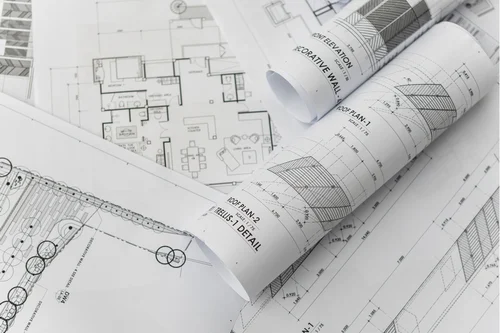
A digital twin is only as reliable as the information behind it. If the original building model contains incorrect dimensions or outdated components, the digital representation may not accurately reflect the physical facility. This can create problems when facility managers use the information for maintenance, renovation, space planning, or engineering decisions.
This is one reason accurate BIM and as-built documentation are becoming increasingly important. Engineer7’s Building Information Modeling Services can help create structured digital building information that supports design coordination and broader lifecycle workflows. The goal is to create digital information that remains useful rather than becoming obsolete once construction is finished.
Existing Buildings Present a Major Challenge
Creating digital information for a new building is generally easier because the design information already exists in digital form. Existing buildings are much more difficult. Many facilities have been modified several times over the years. Original drawings may no longer reflect current conditions, and documentation for renovations may be incomplete.
This is where reality capture can provide an important starting point. 3D laser scanning and other reality-capture technologies can capture existing physical conditions and generate detailed point clouds. These datasets can then be used to develop accurate CAD drawings, BIM models, and other digital documentation. Engineer7’s 3D Scanning Services can support projects that require accurate digital capture of existing buildings and spaces. By combining scanning with professional modeling and documentation, organizations can begin developing a more reliable digital representation of an existing facility.

From As-Built Drawings to Digital Assets
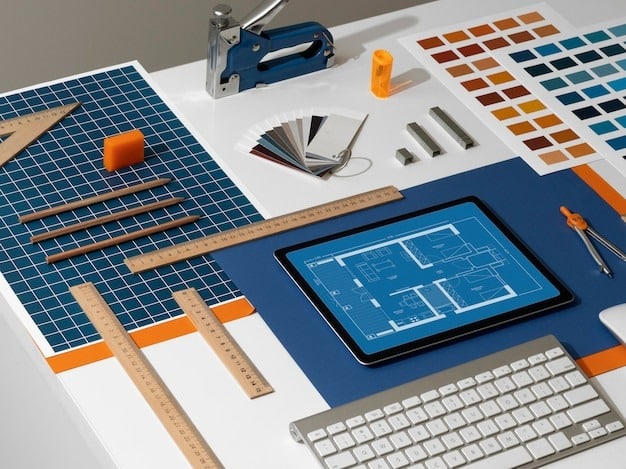
As-built documentation traditionally serves as a record of what was constructed. Today, its role can be much broader. Accurate as-built drawings can become the foundation for future renovations, maintenance planning, space management, and digital twin development.
When a building owner needs to modify a space several years after construction, having reliable digital documentation can save significant time. Instead of beginning with another extensive survey, the existing information can be reviewed and updated as required. This is particularly valuable for organizations that operate large portfolios of commercial, industrial, or institutional buildings.
AI Can Make Building Data More Useful
Artificial intelligence is another technology influencing the development of digital twins. Modern facilities can generate enormous quantities of information through building management systems, sensors, equipment, maintenance records, and operational data. Reviewing all of this information manually can be difficult. AI can help identify patterns, detect anomalies, summarize information, and support predictive analysis.
For example, an AI-enabled system could potentially identify unusual energy consumption, recognize changes in equipment performance, or highlight maintenance issues that require attention. The purpose is not to remove facility professionals from the process. Instead, AI can help them focus their attention on the issues that matter most.